Credits
Everything on this site that somebody else made, with its author and its licence. Some of these do not require attribution. They are here anyway.
The game art
The cards, the chess pieces and the mahjong tiles on this site were made by other people, and they are here because they are better than anything we would draw. Every licence below was read at its author's own repository, not taken from a second-hand list — and every credit is shown next to the artwork it is crediting.
 Chess pieces — Fantasy Chess, and the default set.
 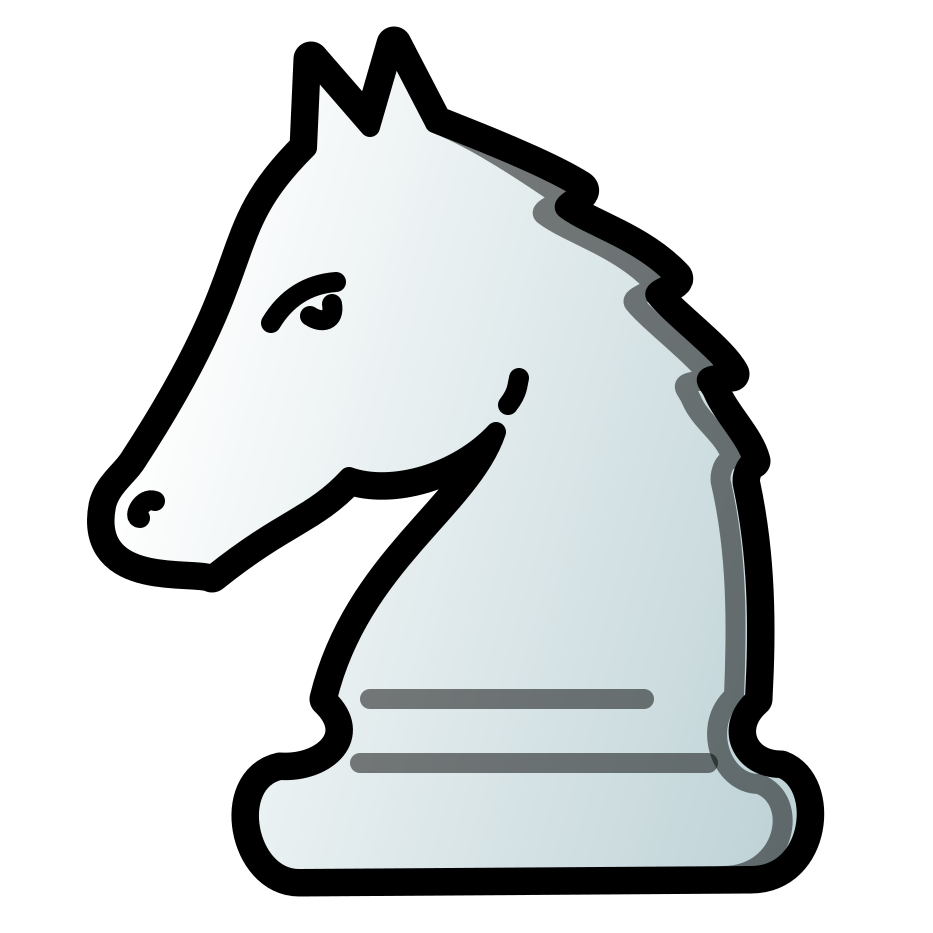 Chess pieces — Celtic Chess.
  Chess pieces — Spatial Chess.
 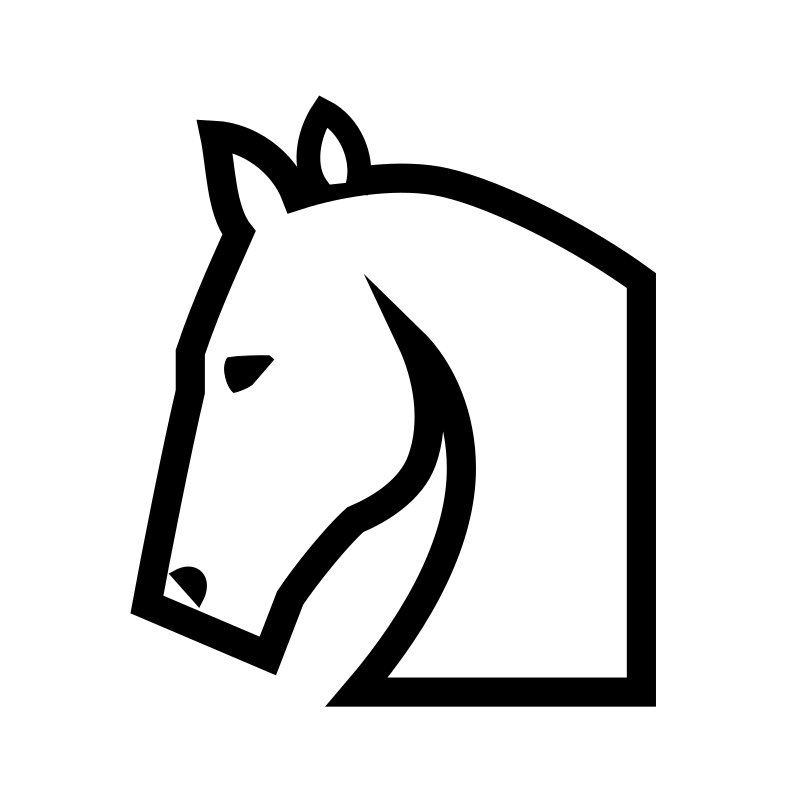 Chess pieces — Chessnut Chess.
 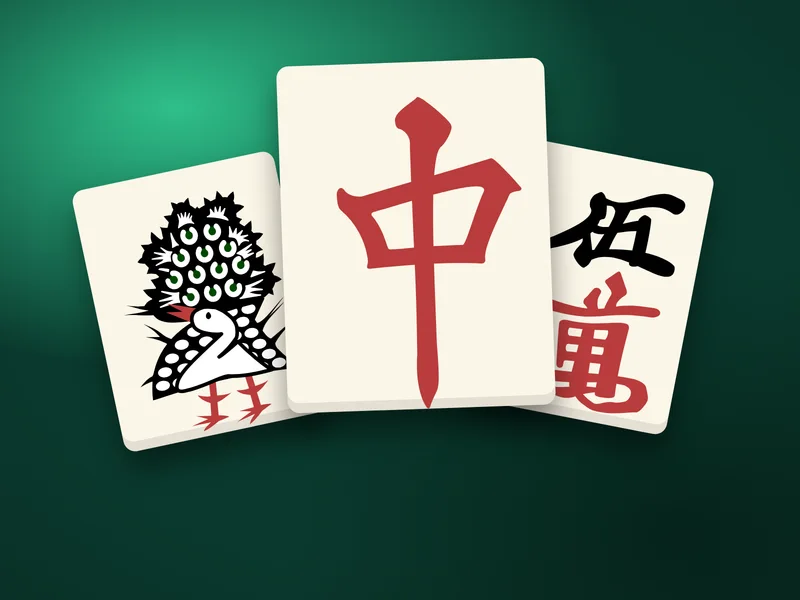 Mahjong tiles All 42 faces in Mahjong — the suits, winds, dragons, flowers and seasons.
  Fluent Emoji The subject in nine of the browse tiles — the snake, the bomb, the bubbles, the rope, the crown, the blocks, the letter cube, the magnifier, and the cross and ring.
 The card back
Knoll's deck has no back. The back on every face-down card here is a lattice drawn in CSS — a two-tone field, a fine diagonal weave and a white margin. It is a surface, like the felt under it, not a picture of anything, so there is no artwork to credit for it.
The four chess sets are the artists' own drawings, taken from the per-colour files that Lichess builds from them — a board needs a white bishop and a black bishop as separate files, and the artists' own repositories hold one file per piece type. The pieces keep their authors' licences, MIT and Apache 2.0; none of Lichess's own code is used here. Its licence register is also where we checked, a second time, that every set we shipped and every set we turned down is the licence we recorded. The sets we could not use, and why, are recorded in the repository rather than here: a procurement log is not something a visitor came for.
The deck ships as one file: the fifty-two faces as SVG symbols in a single sprite, so the 104 cards of a Spider deal cost one request. The forty pip cards keep their vector paths at one decimal place. The twelve court cards are traced from a scanned deck and are far heavier, so their paths are rounded to whole units and specks under two units are dropped; at 167 units across, a unit is well under one per cent of a card. The whole sprite is about 115KB gzipped.
Two parts of each of Knoll's faces are left out and drawn by the site instead: the white card stock, which is CSS, and the corner index. His corner is the rank in a font a sprite cannot carry, stacked over a small suit, and on a phone-sized card that small suit reads as an extra pip. The site's index sets the rank and suit side by side, and the suit in it is Knoll's own outline from the same file.
Fonts, icons and libraries
| What | By | Licence | Used for |
|---|---|---|---|
| Archivo | Omnibus-Type | SIL Open Font License 1.1 | Headings and interface type |
| Source Serif 4 | Adobe | SIL Open Font License 1.1 | Body copy on game pages |
| Lucide | Lucide contributors | ISC | Interface icons |
| Astro | The Astro Technology Company | MIT | The build that turns every page into static HTML |
| Playwright | Microsoft | Apache-2.0 | The browser that checks every page before it ships |
| Vitest | Vitest contributors | MIT | The test runner behind every game rule |
The rules
Card game rules are checked against Pagat, the card-game rules archive maintained by John McLeod. Where our implementation simplifies a rule, the game's own page says so. If you find a rule that is wrong, tell us — rules corrections get a test written for them so they cannot come back.
The pictures on the game tiles
Every tile in the game grid used to be a screenshot of that game's own page, which meant each one carried the game's toolbar across the top as an unreadable grey band, and the three Spider Solitaire tiles were the same photograph three times. They are key art now: one subject, filling the frame, no interface, made to be read at the size the grid draws it.
Nine of those subjects are Microsoft's Fluent Emoji, MIT. The rest are the same art the games themselves are played with — Byron Knoll's cards for all ten card games, Maurizio Monge's knight for Chess, the riichi tiles for Mahjong Solitaire, and, for Maze Muncher, the maze engine's own cast, drawn by the engine rather than illustrated. Nothing on a tile was drawn here.
Three well-known emoji and icon sets were turned down before any art was fetched. OpenMoji is CC BY-SA, which is share-alike and would attach its licence to everything it touched. Twemoji and game-icons.net are CC BY, outside the four licences this site accepts. Kenney's packs are public domain by every second-hand account, and the machine that builds this site cannot reach kenney.nl — so the licence could not be read at its own source, and an unverified licence does not ship.
Where the art is used
The deck is dealt on every card game — start with Solitaire — the piece sets are on Chess, and the tiles are on Mahjong Solitaire. The guides use the same art to show the table.
Something missing?
If you believe something on this site uses your work and is not credited here, get in touch and we will correct it or remove it.