Hearts
Mouse and keyboard
- Click a card to play it, or drag it up into the middle of the table. Legal cards sit forward; an illegal one shakes and the reason appears in words, so you never have to guess which rule stopped you.
- Tab to your hand, then left and right arrows to walk along it and Enter or Space to play the card under the cursor.
- While you are passing, click three cards to choose them — clicking a chosen card takes it back — and the button under the table sends them on.
Touch
- Tap a card to play it, or flick it up towards the middle of the table. A tap is enough; the flick is there because it feels better.
- Only the cards themselves take the gesture. A drag that starts on the felt still scrolls the page, so the table is not a dead zone on a phone.
This panel
- F full screen
- M sound on or off
- ? this list
- Esc close, or leave full screen
- The clock stops while the board is off screen
Loading Hearts…
Your record
Kept in this browser only. No account and nothing to sign into — clear your site data and the table below is gone.
No games finished yet. Play Hearts and your record for each difficulty shows up here.
| Board | Played | Won | Drawn | Win rate | Best | Fastest | Best run |
|---|
A file on your device. Moving it to another browser moves your record, your games and your initials with it.
About Hearts
Duck the queen of spades, dodge the hearts, finish on the lowest score.
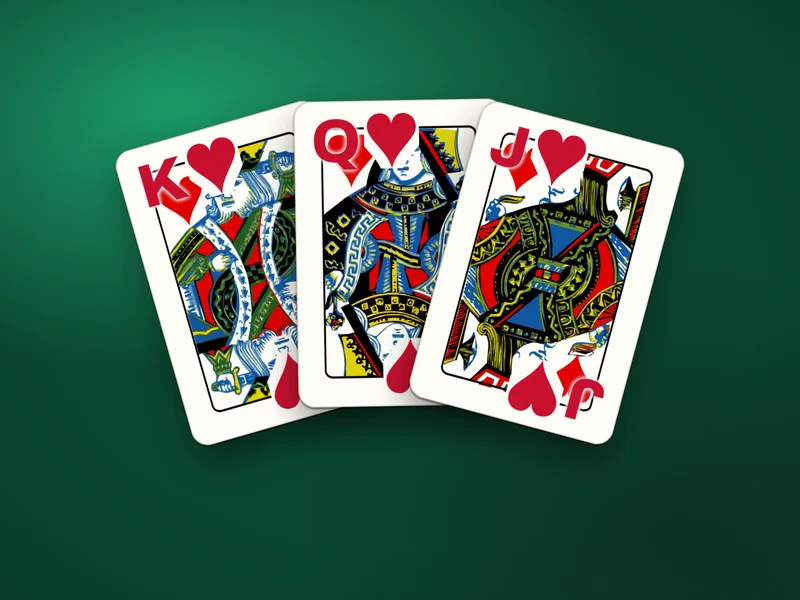
Hearts is the best-known of the reverse trick-taking games: a family where the object is not to win tricks but to avoid the cards in them. Thirteen hearts are worth a point each, the queen of spades is worth thirteen on her own, and the player holding the lowest total when somebody crosses 100 wins.
That inversion changes what a high card is for. An ace of hearts is not a weapon, it is a liability you have to get rid of before somebody leads the suit. The ace and king of spades are worse: they are two cards that cannot avoid taking the queen if she is thrown under them, which is why the first decision of every hand — which three cards to pass — is usually a decision about spades.
The passing rotation is what keeps a match from settling into a groove. Left, right, across, then a hand where nobody passes and everyone plays the cards they were dealt. Three seats out of four are opponents you will have handed cards to, and on the fourth hand nobody has helped anybody.
Also searched for as
- hearts card game
- play hearts online
- hearts free no download
- black lady card game
- black maria card game
Whichever name you know it by, it is the same game: it runs in this browser, with no download and no sign-up.
Think a rule is wrong?
Tell us and we will check it against the published rules.
How to play Hearts
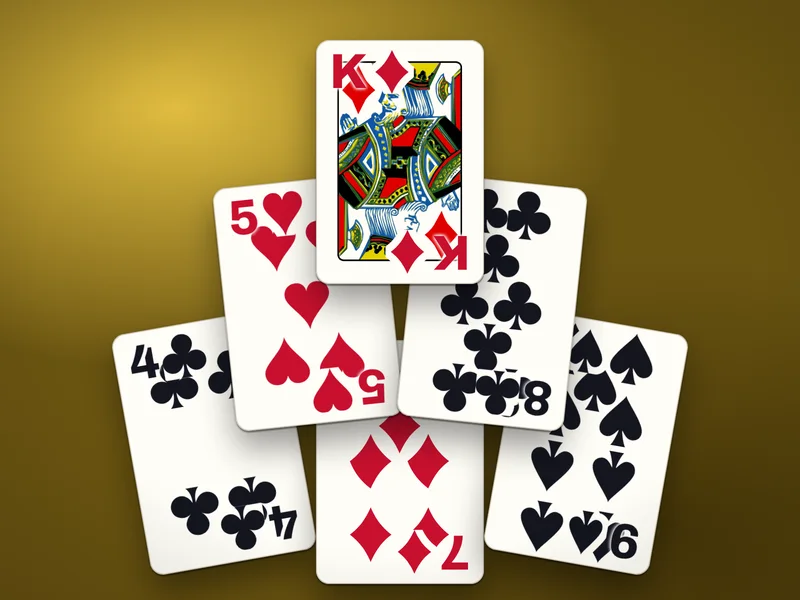
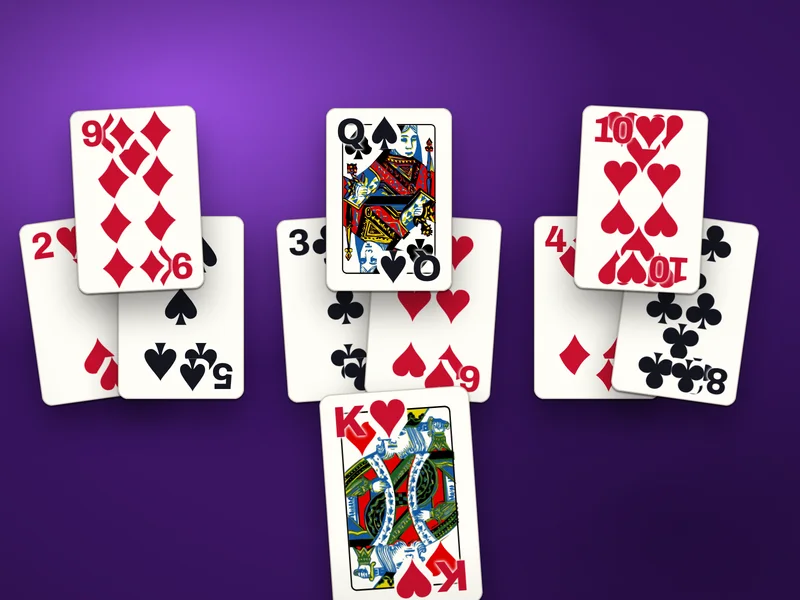
- Four players, thirteen tricks, One card played by each player in turn. The highest card of the suit that was led wins all four. no trump suit. You sit at the bottom of the table; West, North and East are computer opponents, and play goes round clockwise from whoever leads.
- Before each hand everybody chooses three cards to pass, and the direction rotates: left on the first hand, right on the second, across on the third, and on the fourth nobody passes at all. Then the cycle starts again.
- Whoever holds the two of clubs leads the first trick and must lead that card. After that you follow the suit that was led if you hold any of it; if you are void Holding none of a suit. You no longer have to follow it, so you can throw anything you like on it. you may play anything — except that no heart and no queen of spades may be thrown on the first trick unless you have nothing else.
- Hearts cannot be led until a heart has been played to some trick. The queen of spades does not break hearts; Once a heart has been played to any trick, hearts may be led. Until then the leader has to lead something else. only a heart does.
- Every heart you win in a trick is one penalty point and the queen of spades is thirteen, so each hand puts exactly 26 points on the table. The match ends as soon as somebody reaches 100, and the lowest score at that moment wins.
Strategy that actually helps
- Count the spades above the queen. Holding the ace or king of spades while she is still out means you are one spade trick away from thirteen points: pass them, or lead low spades to flush her out while you are still protected behind them. The Hard opponents do exactly this to you, and they shed their own ace and king early.
- Go void, then use it. A suit you hold one or two of is a suit you can be rid of, and a void is what lets you throw the queen or a high heart onto somebody else's trick instead of your own. Medium and Hard both pass for voids and then lead those short suits to finish the job.
- Duck as high as you safely can. When the trick is already won by a card above yours, the right discard is your highest card of that suit, not your lowest — both are equally safe this trick, and only one of them gets rid of the card that will force you to take a later one. That habit is the single biggest difference between Medium and Hard.
- Watch the scoresheet in the closing hands. The match ends the instant anyone reaches 100 and the lowest total wins, so when somebody is on 88 the only question is whether you are lowest. If you are, push the points at them and end it. If you are not, what you want is a quiet hand and more time.
- Shooting the moon Taking every heart and the queen of spades in one hand. Instead of 26 points you score nothing and everyone else takes 26. is a genuine option here and none of the three opponents will try it themselves. Take all thirteen hearts and the queen and you score nothing while all three of them take 26; take all thirteen tricks — the sun — and it costs them 52 each. Hard watches for it, though, and will deliberately take one trick to break your run.
Controls
Mouse and keyboard
- Click a card to play it, or drag it up into the middle of the table. Legal cards sit forward; an illegal one shakes and the reason appears in words, so you never have to guess which rule stopped you.
- Tab to your hand, then left and right arrows to walk along it and Enter or Space to play the card under the cursor.
- While you are passing, click three cards to choose them — clicking a chosen card takes it back — and the button under the table sends them on.
Touch
- Tap a card to play it, or flick it up towards the middle of the table. A tap is enough; the flick is there because it feels better.
- Only the cards themselves take the gesture. A drag that starts on the felt still scrolls the page, so the table is not a dead zone on a phone.