Spider Solitaire
Mouse and keyboard
- Click a card to pick it up, then click the column it should go to.
- Or drag a card or a run directly across.
- Click the stock in the top left to deal a row.
- Undo goes back a thousand moves — further than any real deal runs — so one wrong card is never the end of a game.
- Card size: the S / M / L control above the table sets how big the cards are. L is the largest size that still fits all ten columns on your screen, for anyone who finds standard cards hard to read; no setting ever pushes a column off the edge.
- Legal moves, in the settings beside the card size, rings every pile the lifted card can legally go to. The rings are on to start with; turn them off if you would rather find the moves yourself, and the choice is kept. Hint, on the toolbar, shows the one move it rates best.
Touch
- Tap a card to lift it, then tap the destination column.
- Or drag with one finger — the run follows your thumb.
- Tap the stock pile to deal a new row across all ten columns.
- Tap a lifted card again to put it back down.
- Legal moves, in the settings beside the card size, rings every legal destination while your finger is on a card. The rings are on to start with; turn them off if you would rather find the moves yourself, and the choice is kept. Hint, on the toolbar, shows the one move it rates best.
This panel
- F full screen
- M sound on or off
- ? this list
- Esc close, or leave full screen
- The clock stops while the board is off screen
Loading Spider Solitaire…
Your record
Kept in this browser only. No account and nothing to sign into — clear your site data and the table below is gone.
No games finished yet. Play Spider Solitaire and your record for each difficulty shows up here.
| Board | Played | Won | Drawn | Win rate | Best | Fastest | Best run |
|---|
Awards for Spider Solitaire
- No take-backs Win a solitaire deal without using undo. Needs: no undo Locked
- Web weaver Win four-suit Spider. Needs: all four suits Locked
A file on your device. Moving it to another browser moves your record, your games and your initials with it.


About Spider Solitaire
Two decks, ten columns, eight runs to build.
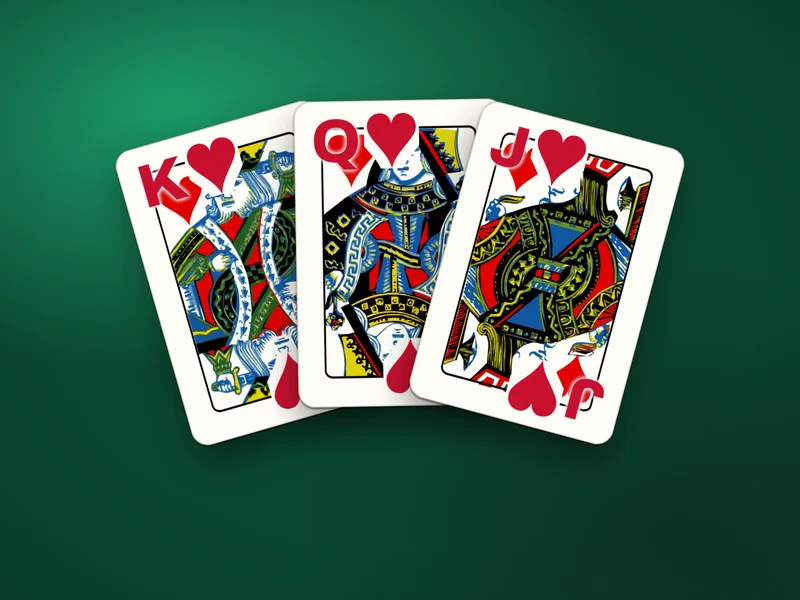
Spider is the two-deck solitaire that punishes you for the thing that feels like progress. A hundred and four cards go into ten columns, and your job is to build eight complete runs from King down to Ace — each one in a single suit, each one lifting off the table by itself the moment it is finished.
The rule that makes it work is the split between placing and lifting. You may put any card on any card one rank higher, whatever the suits. But you may only pick up and carry a run if every card in it shares a suit. So the board fills with descending sequences that look like achievements and are actually dead weight: a nine-eight- seven in three different suits is three cards you have to unpick one at a time.
The stock is the clock. Five deals, each one dropping a card onto every column and burying whatever you had not sorted out yet, and it refuses to deal at all while a column stands empty. Every game becomes the same question asked ten times — is the board tidy enough to survive another row?
This version is set to two suits, which is the one most people mean when they say Spider. It is hard enough to need a plan and forgiving enough to finish.
The default table is green felt, changed for wood, marble, midnight or high contrast in the settings, and the card-size control runs from small to large — large cards and big print are the reason the ten columns are laid out to a width rather than a fixed size, and no size ever pushes a column off the edge of the screen.
Also searched for as
- spider solitare
- spider solataire
- spidersolitaire
- spider card game
- 2 suit spider
Whichever name you know it by, it is the same game: it runs in this browser, with no download and no sign-up.
Think a rule is wrong?
Tell us and we will check it against the published rules.
How to play Spider Solitaire
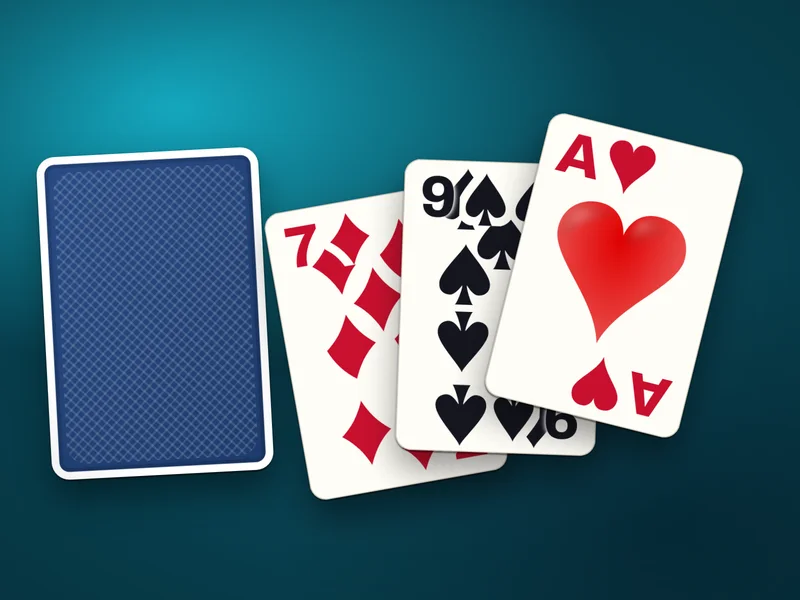
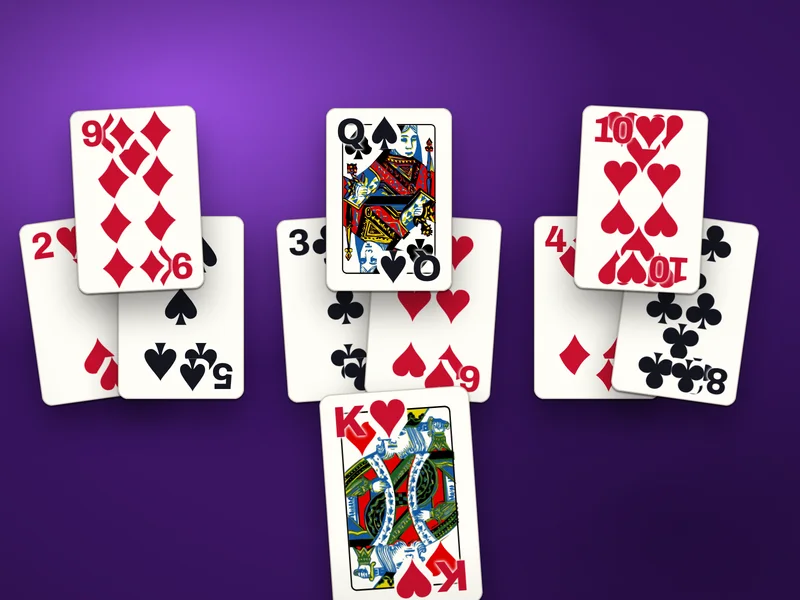
- Two full decks are dealt into ten columns — fifty-four cards, one face up at the end of each column. The other fifty stay in the stock. The undealt pile. Turn a card from it when nothing on the table will move.
- Build downwards in the columns. Any card may go on any card one rank higher, whatever the suit: a red seven is fine on a black eight.
- But you can only pick up and carry a run if it is all one suit. That distinction is the whole game.
- When a column ends in a complete King-down-to-Ace run in a single suit, it lifts off the table by itself and the card underneath turns face up.
- Clear all eight runs and you have won.
- Tap the stock to deal one more card onto every column. Fifty cards over ten columns is five deals in all, and the game refuses while any column is empty.
- Any card may be moved into an empty column, and an empty column is the most valuable thing on the board.
Strategy that actually helps
- Start with two suits, not four. One suit is a gentle introduction and four is genuinely hard; two suits is where the game is actually interesting, which is why it is the default here.
- Build in suit whenever you have the choice. A mixed descending run looks like progress but cannot be moved, and an immovable run in the wrong column is worse than no run at all.
- Turn face-down cards over before anything else. Every hidden card is a card you cannot plan around, and the column with the most of them is where your real problem is.
- Empty a column before you deal. The deal buries every column by one card, so the position you have after dealing is always worse than the one before — an empty column is the only thing that survives it.
- Do not break a long in-suit run Cards already in order and all of one suit. Only a run like that lifts as a unit. to make a short one. Length is what eventually becomes a completed set, and a nine-card run split into a five and a four is usually two runs that never finish.
- Before you deal, spend every move you have. Cards you could have placed are cards the deal will bury for good.
Controls
Mouse and keyboard
- Click a card to pick it up, then click the column it should go to.
- Or drag a card or a run directly across.
- Click the stock in the top left to deal a row.
- Undo goes back a thousand moves — further than any real deal runs — so one wrong card is never the end of a game.
- Card size: the S / M / L control above the table sets how big the cards are. L is the largest size that still fits all ten columns on your screen, for anyone who finds standard cards hard to read; no setting ever pushes a column off the edge.
- Legal moves, in the settings beside the card size, rings every pile the lifted card can legally go to. The rings are on to start with; turn them off if you would rather find the moves yourself, and the choice is kept. Hint, on the toolbar, shows the one move it rates best.
Touch
- Tap a card to lift it, then tap the destination column.
- Or drag with one finger — the run follows your thumb.
- Tap the stock pile to deal a new row across all ten columns.
- Tap a lifted card again to put it back down.
- Legal moves, in the settings beside the card size, rings every legal destination while your finger is on a card. The rings are on to start with; turn them off if you would rather find the moves yourself, and the choice is kept. Hint, on the toolbar, shows the one move it rates best.